
Proven Corporate Volunteer Recruitment Ideas for 2026
A staggering number of companies offer volunteer incentives, such as volunteer grants and paid volunteer time of, as a way to encourage employees to give back. Unfortunately, billions of dollars (and millions of eligible service hours) still go unclaimed every year. If you want to tap into this massive network of support, implementing the right corporate volunteer recruitment ideas is essential.
Right now, less than 10% of eligible employees actually participate in these programs. This massive blind spot exists because the vast majority of employees are unaware that their employers offer these rewards. And when supporters have never been informed about their workplace volunteering benefits, the responsibility falls squarely on the nonprofit (AKA you!) to bridge the knowledge gap.
In this guide, we’ll cover:
- Why you need a corporate volunteer recruitment strategy
- 12 creative corporate volunteer recruitment ideas to try
- Tech tips for optimizing your recruitment infrastructure
By intentionally marketing volunteer incentives, proactively capturing employment data during registration, and designing strategic recruitment pathways, your nonprofit can unlock dedicated service hours and their associated corporate funds.
Why You Need a Corporate Volunteer Recruitment Strategy
Despite the immense value that corporate volunteers can offer to nonprofits like yours, traditional “outreach” models rely heavily on hope. In other words, organizations simply sit back and expect that interested individuals accidentally discover their service opportunities while browsing a public bulletin. Unfortunately, this type of methodology creates an unsustainable funnel that misses out on high-value corporate networks entirely.
So, what’s the solution?
Transitioning to a proactive recruitment posture transforms your approach into an intentional, data-driven acquisition approach. When deployed effectively, this structured framework allows your team to benefit multifold from every single hour your corporate-affiliated supporters log. That means…
- Moving beyond passive engagement: Shifting away from standard open-enrollment listings to ensure your recruitment team engages directly with local corporate networks (especially those that already have dedicated philanthropic budgets!).
- Growing financial impact from corporate incentives: Capitalizing on corporate volunteerism programs allows your organization to receive double benefits by securing labor while also triggering volunteer grants that turn service hours into revenue.
- Strengthening community partnerships: Building corporate giving partnerships deepens local relationships and creates a predictable pipeline of sponsorships, board candidates, and grant funding that can stabilize your long-term operational budget.
When you fail to intentionally engage with corporations and their employees, you miss out on the invaluable internal communication channels they use to promote social impact.
12 Creative Corporate Volunteer Recruitment Ideas to Try
Recruiting corporate professionals to volunteer on your behalf requires your organization to present service opportunities as structured, impactful professional development experiences rather than simple tasks.
Explore these recommended strategies to dramatically expand your network and attract corporate volunteers to your cause:
1) Host one-off corporate days of service.
Organizing highly structured, single-day volunteer team-building events allows local businesses to boost employee engagement while executing large-scale physical projects for your organization. For the best results, make sure it’s quick and easy for a corporate contact to initiate a service day.
Here’s a sample interest form that one nonprofit linked from social media:
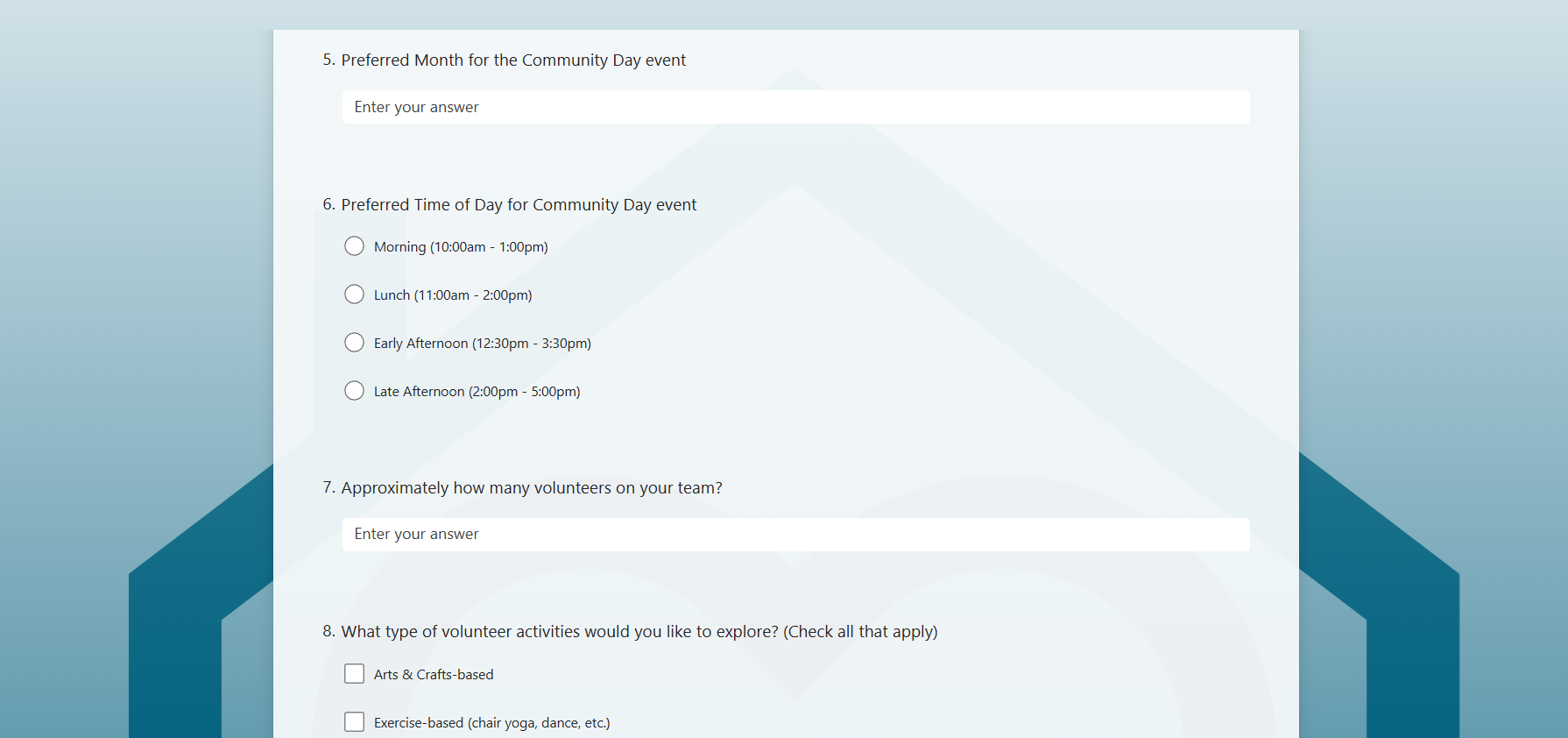
These episodic opportunities serve as an accessible entry point for companies that want to make a visible, immediate community impact without committing to long-term operational logistics. It’s also a great way to expand your organization’s reach and interact with new potential supporters!
2) Actively market the utilization of volunteer time off.
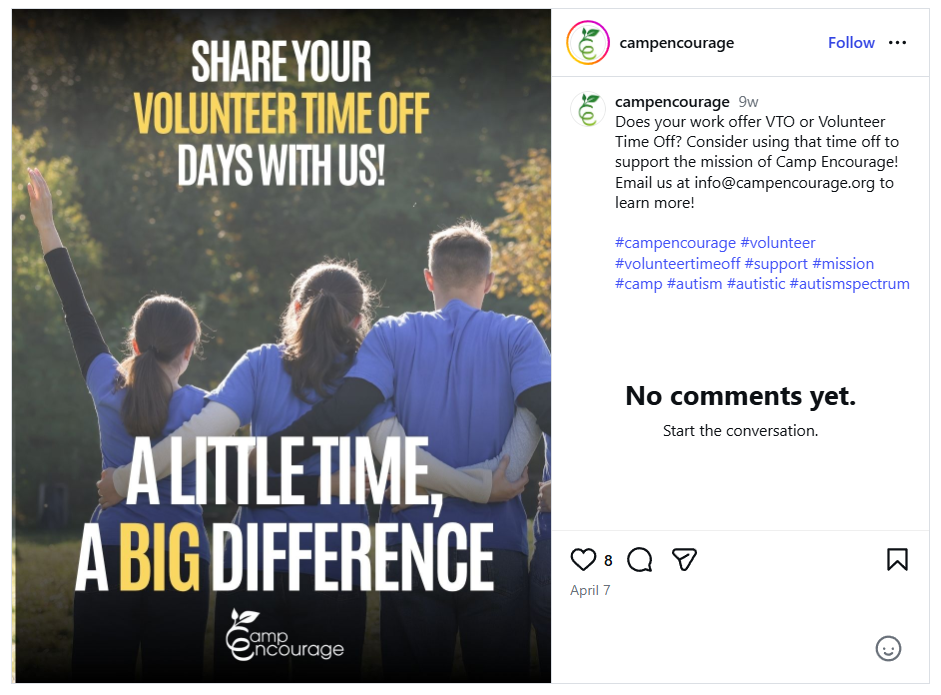
Promoting service opportunities to professionals who receive company-sponsored volunteer time off (or VTO) helps your organization bridge a critical operational gap. According to Benevity’s State of Corporate Volunteering report, 38% of nonprofits say it’s a big problem finding volunteers available during the traditional workday. By explicitly designing midweek service slots tailored to corporate professionals, you can resolve daytime staffing shortages while providing employees with a frictionless way to use their allocated VTO hours.
3) Monetize service hours via corporate volunteer grants.
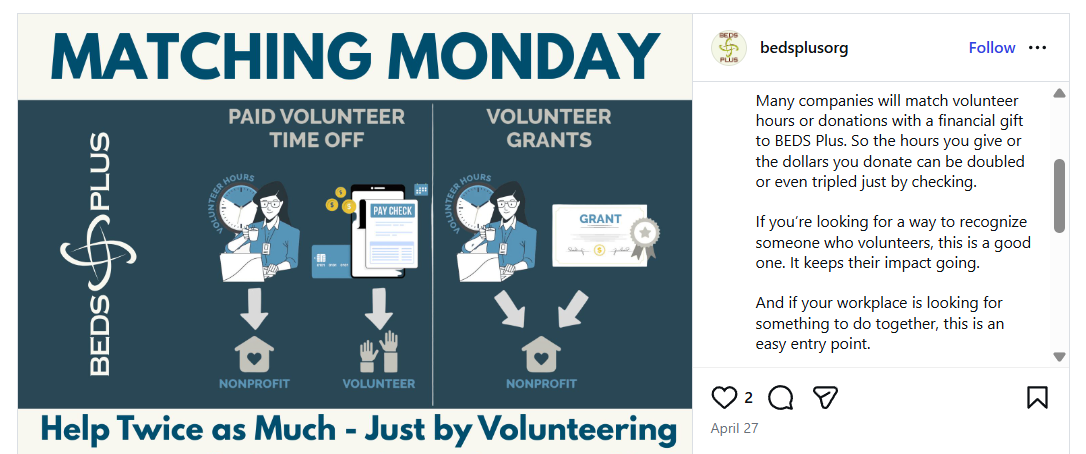
Educating individual supporters on how to convert their time into funding can alter the financial trajectory of your volunteer program. Many companies offer financial matches, known as volunteer grants, where the corporation donates a specific dollar amount for every hour an employee logs with a registered charity.
By explicitly prompting your current volunteers to record their completed hours in their internal company portals, your nonprofit can secure significant financial support. Not to mention, it validates the time individuals have already dedicated to your cause.
Take a look at how BEDS Plus highlighted the corporate volunteer opportunity on social media below.
4) Recruit internal employee champions.
Recruiting inside champions within local businesses enables your organization to leverage corporate employee networks where peer-to-peer advocacy drives group participation and builds internal momentum. These workplace ambassadors act as your direct liaisons, distributing marketing materials through internal communication channels as a way to encourage their colleagues to get involved.
Resource spotlight: Send this helpful blog post to your possible champions to help them advocate for new volunteer programs!
5) Develop skill-based volunteer tracks.
Creating specialized volunteer pathways allows corporate professionals to donate their technical expertise in fields such as accounting, website development, or legal counsel, rather than standard manual labor. This skills-based volunteering model provides high-value operational support to your nonprofit while offering corporate employees an intellectually stimulating way to fulfill their civic responsibilities.
Here’s what one corporate leader from Paramount has to say about its ‘Talent for Good‘ program:
“SBV [skills-based volunteering] opens doors for employees to showcase their skills to higher-ups and supports employee recognition programs. This type of volunteering also helps employees learn new skills, which can lead to future career opportunities. But most importantly, skills-based volunteering helps build our community and improves overall wellness.”
It’s even considered a form of in-kind (or non-monetary) donation!
6) Embed interactive employer policy search tools.
Installing dedicated corporate volunteer search tools directly within your existing digital assets allows supporters to instantly uncover their employers’ volunteer time off guidelines, grant structures, and other eligibility requirements.
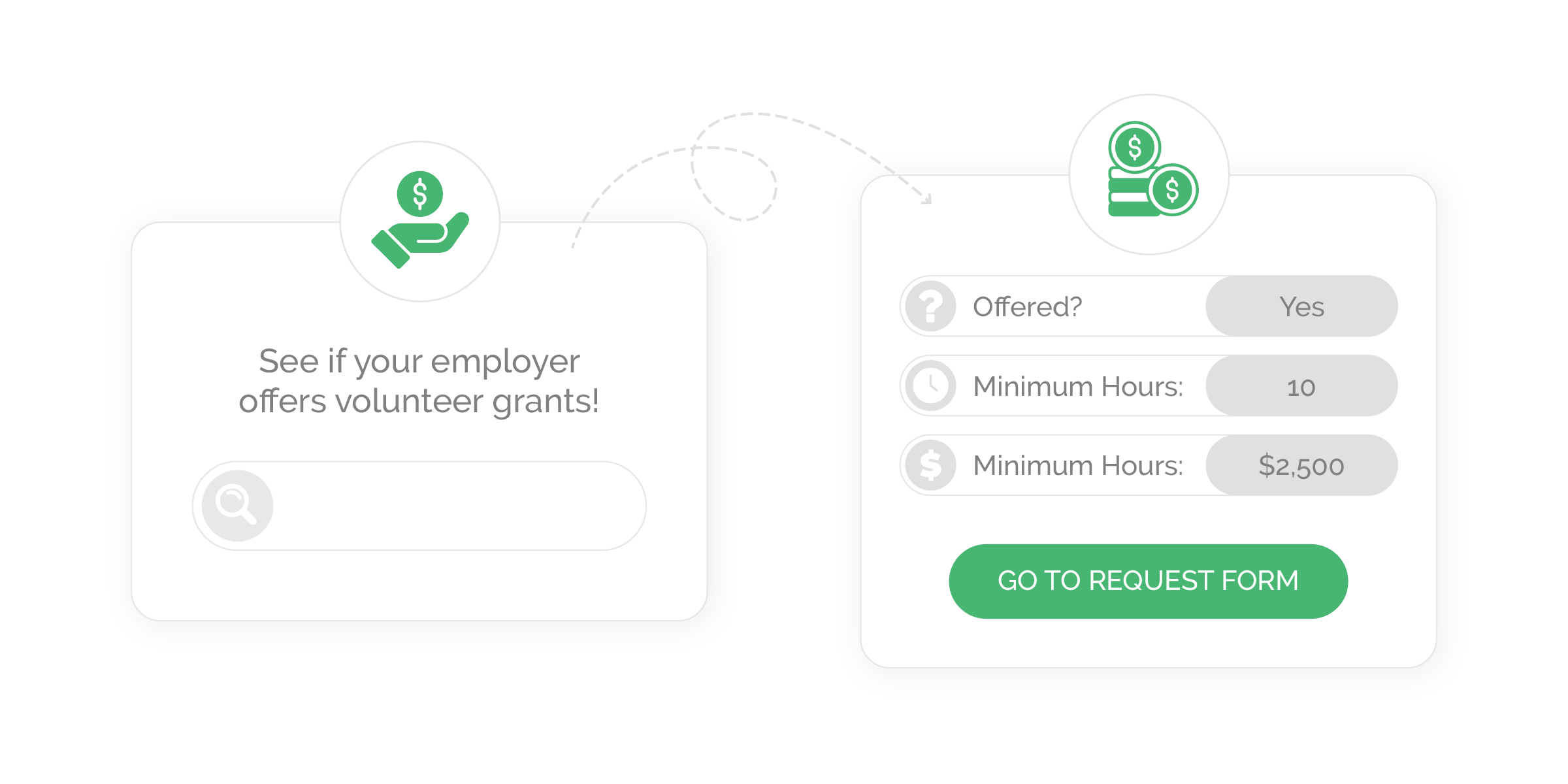
By embedding an integrated company database widget directly on your volunteer registration pages (and in email follow-ups), you eliminate informational barriers and prompt supporters to initiate their volunteer grant claims immediately.
7) Pitch customized executive board placements.
Targeting corporate leadership for your governing board or advisory committee establishes a top-down relationship that often translates into substantial corporate backing. Companies’ leaders possess the authority to approve major financial sponsorships, donate corporate resources, and authorize company-wide volunteer time off.
Not to mention, many businesses offer higher-level workplace giving benefits to C-suite executives or those serving on nonprofits’ boards, making it a particularly valuable opportunity to tap into.
8) Design lunch and learn informational sessions.
Partnering with companies’ human resource departments to host brief, educational presentations during standard lunch hours allows you to speak directly to an engaged audience of potential corporate volunteers. These casual, often informal learning sessions provide a low-friction environment through which professionals can be educated on your mission. Plus, it’s an excellent chance to demonstrate how easily team members can get involved using company-sponsored service hours or grant programs.
9) Launch corporate volunteer challenges.
Creating friendly, gamified competitions between local businesses or internal corporate departments drives massive engagement by tapping into the competitive spirit throughout your network. Consider tracking metrics such as total hours logged or total funds raised, and publicly recognizing the winning company or team at the conclusion of the campaign.
10) Establish remote micro-volunteering opportunities.
Developing short-duration, completely virtual service tasks allows your nonprofit to recruit remote and hybrid corporate workforces who cannot attend in-person events nor commit to large-scale projects. Digital tasks such as drafting marketing copy, designing graphic assets, auditing data sheets, or providing translation services can be completed asynchronously, making participation highly convenient for busy professionals.
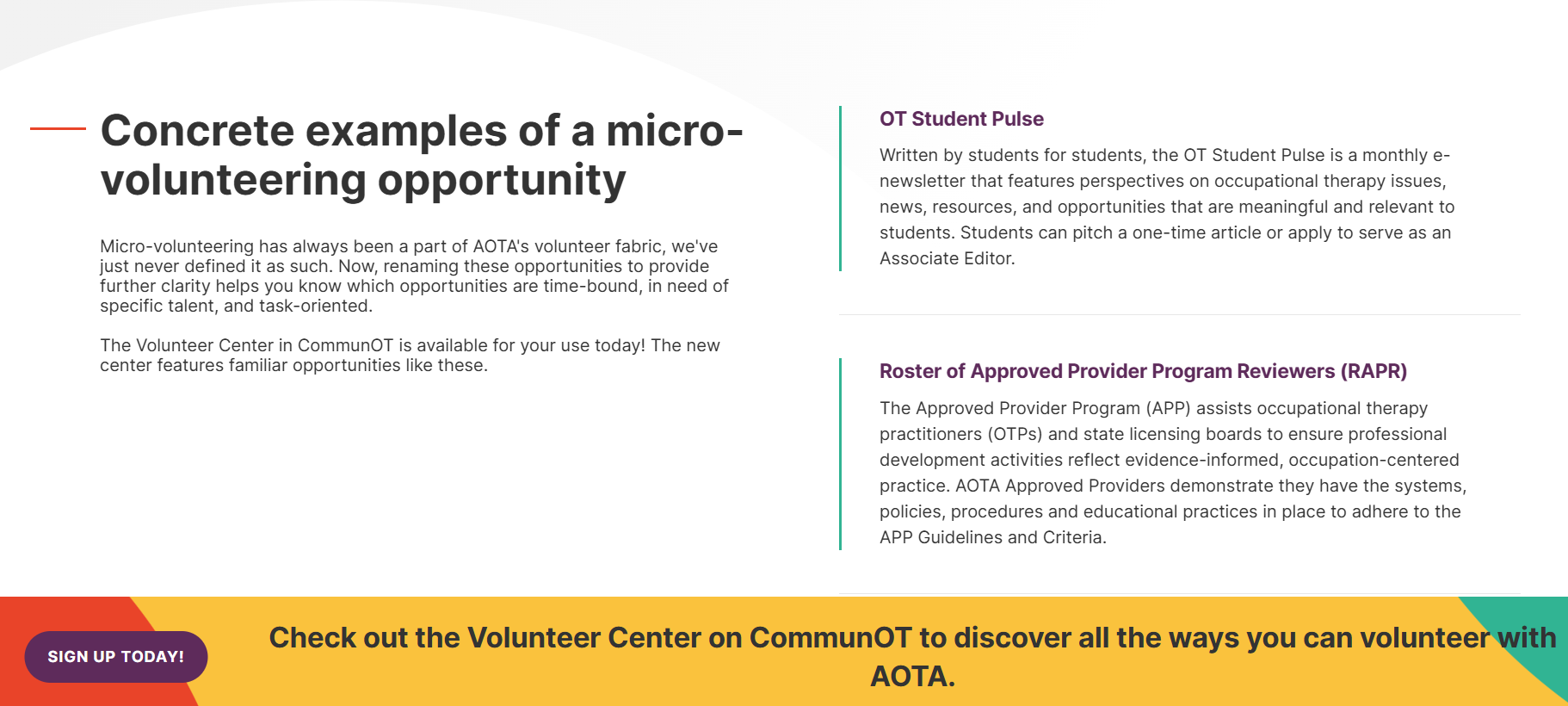
According to a 2025 study, introducing short, flexible “micro-volunteering” formats saw up to 60% higher participation rates among corporate employees.
11) Align with corporate resource groups.
Reaching out to formal Employee Resource Groups (such as a company’s young professionals network or sustainability committee) connects your organization with highly motivated, cause-aligned employee cohorts. These internal affinity groups frequently possess independent budgets and dedicated service mandates that align perfectly with specific nonprofit focus areas.
Here’s an example from JPMorganChase’s website:
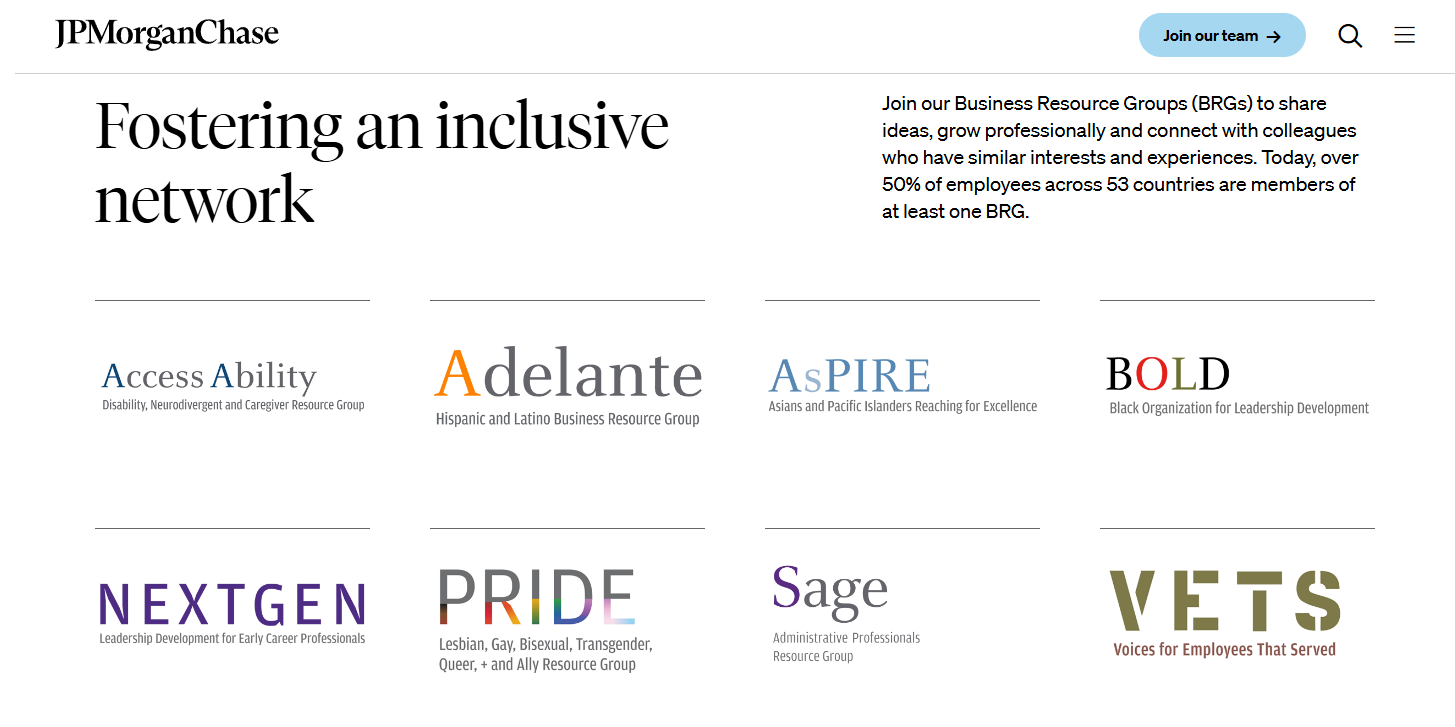
Invite them to partner with your organization for a specific project, and see where the relationship takes you!
12) Create family-friendly service weekend events.
Designing inclusive, accessible volunteer opportunities that welcome the spouses and children of corporate employees expands your appeal to businesses and team members focused on holistic family engagement. Companies often seek out family-friendly service projects because they strengthen workplace culture and demonstrate a deep commitment to the broader community in which employees live.
💡 Engagement Tip: As you launch corporate volunteer initiatives, focus your marketing on the specific motivations driving workplace involvement. When targeting companies, reference employee retention metrics and opportunities for positive brand alignment. When rallying individual employees, highlight how corporate incentive programs can make their support go further for a cause they care about.
Tech Tips for Optimizing Your Recruitment Infrastructure
Even the most creative volunteer recruitment strategy will quickly lose momentum if your backend administration is bogged down by manual tracking sheets and slow follow-up processes. Thus, scaling your corporate volunteer strategy requires automated technology that identifies workplace opportunities as soon as a supporter registers for a shift.
Here are a few technical updates to consider as you modernize your volunteer infrastructure:
- Collect employment data at the point of engagement. Make sure you’re asking volunteers where they work! A plain-text field will suffice, but an embedded company search tool in your registration forms is generally the gold standard.
- Deploy personalized corporate volunteer follow-ups. Soon after a volunteer signs up or completes a service project, trigger a tailored email that provides company-specific guidelines and walks eligible supporters through their employers’ next steps.
- Integrate your technology systems. Connecting your Volunteer Management Software directly with a robust workplace giving database guarantees that your system can scan supporter records and immediately flag those who work for companies with active volunteer programs.
Transitioning to an interconnected tech stack also provides your team with the clean, historical data required to pitch high-value partnerships later on. With Double the Donation’s Corporate Volunteer Procurement report indicating that 83% of surveyed nonprofits have used volunteer data to strengthen sponsorship proposals in the past, and 42% have successfully leveraged volunteers as internal corporate champions, that’s not an opportunity you want to overlook.
Final Thoughts on Attracting Corporate Volunteers This Year
Growing your corporate volunteer support requires a strategic blend of proactive nonprofit marketing, smart data enrichment, and structured corporate partnerships.
This systematic approach transforms standard volunteerism into a powerful engagement opportunity that builds long-term community resilience. Plus, automated tracking solutions ensure your organization never misses another opportunity to convert service hours into funds.
Ready to dive in? Begin implementing our top recruitment ideas today and watch as corporate volunteers start moving your way.

Get More Corporate Volunteers with Double the Donation.
Integrate the industry’s #1 workplace giving database, collect employment data in your registration forms, flag corporate employees, and trigger personalized follow-ups that unlock volunteer grant revenue.

